

Search visibility in 2026 is no longer driven by content alone. While publishing high-quality content remains essential, it would be effective when search engines can actually discover. Many websites continue to struggle with rankings not because their content lacks but because crawling and technical structure limit their visibility.
Understanding how google crawling works in 2026 has therefore become a fundamental part of any SEO strategy. Googlebot is now better equipped to prioritize valuable pages, interpret complex website structures, and allocate crawl resources intelligently.
As a result, technical SEO, structured architecture, and crawl efficiency are no longer optional, but they are essential for consistent search performance.
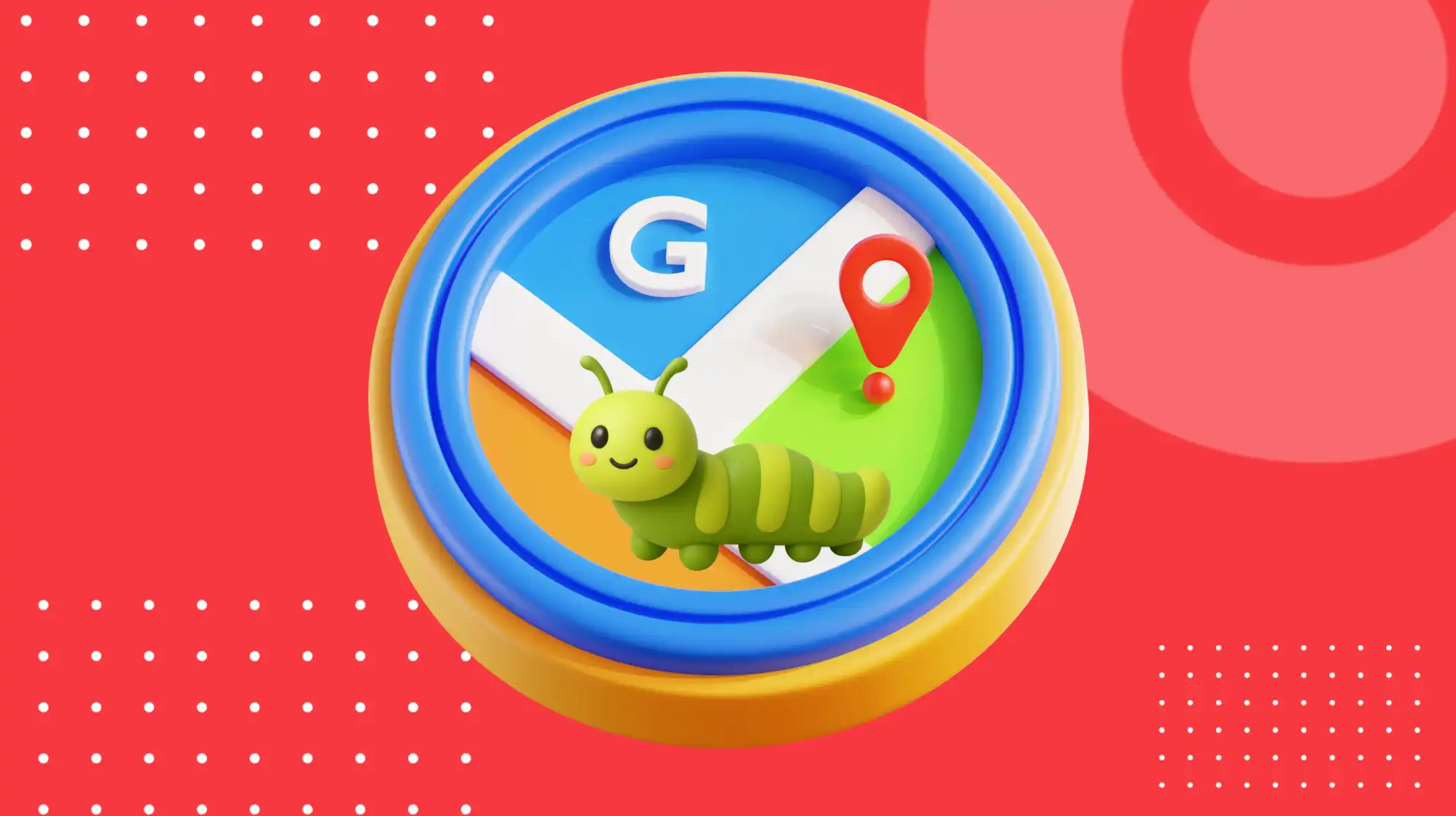
Googlebot is Google’s automated web crawler responsible for discovering and revisiting pages across the internet. It plays a central role in the Googlebot crawling process, continuously scanning websites to identify new content and updates as well as structural changes.
The way Googlebot discovers content is largely based on links and structured signals. Internal links help guide the crawler through a website and external backlinks indicate authority and relevance. XML sitemaps provide a clear roadmap, allowing website owners to signal which pages should be prioritized for crawling.
A well-structured internal linking system makes a significant difference. When pages are logically connected and easy to navigate, Googlebot can move through the site more efficiently. Clear crawl paths and a defined hierarchy as well as accessible content ensure that important pages are not overlooked. On the other hand, poor architecture, broken links, or blocked resources can limit how effectively a site is crawled. Maintaining a clean and organized structure helps ensure that content is consistently discovered and processed.
Crawling in 2026 has evolved into a more intelligent and adaptive process. The Google crawling 2026 system is designed to focus on efficiency, prioritization and relevance rather than simply scanning every page.
Google now uses machine learning to decide which pages should be crawled first. It prioritizes website pages that are high-quality and frequently updated also authoritative. This ensures that valuable content is indexed faster, while reducing unnecessary crawling of low-impact pages.
Mobile-first indexing continues to shape how websites are evaluated. Googlebot primarily looks at the mobile version of a website when determining how it should be indexed and ranked. It may experience reduced crawl activity and lower visibility in search results if a site is not optimized for mobile devices.
Modern websites increasingly rely on dynamic content powered by JavaScript. Google uses its web rendering service to process and interpret how pages appear to users to handle this. While this capability has improved significantly, poorly optimized scripts or delayed content loading can still slow down the crawling and indexing process.
Googlebot is now more responsive to changes on websites. Pages that are updated regularly or publish fresh content tend to be crawled more frequently. This allows new or updated information to appear in search results faster which helps businesses maintain relevance and visibility.
Crawl scheduling has become more dynamic. Googlebot adjusts how often it visits a website based on factors such as update frequency, site performance, and authority signals. This adaptive approach ensures that crawl resources are used efficiently and that important content receives timely attention.
Google does not crawl every page on a website equally. Due to resource constraints, it uses a concept known as crawl budget to determine how many pages should be crawled within a given timeframe.
Key factors that influence Google’s crawling limits include:
The crawl budget can be wasted when a website is not optimized. Issues like broken links and unnecessary URL variations also duplicate pages prevent Googlebot from focusing on important content. Managing these factors ensures that crawl resources are used effectively and that critical pages receive proper attention.
Optimizing for crawling ensures that search engines can efficiently discover and process your content.
Best practices to improve crawling in 2026 include:
These practices ensure better crawl efficiency and improved search visibility.
Crawling continues to be the foundation of SEO success in 2026. Without efficient crawling, even high-quality content cannot achieve visibility or ranking potential. The evolving Google crawling update 2026 reflects a system that is more intelligent, selective and also focused on delivering relevant results.
Understanding how google crawling works in 2026 allows organizations to build stronger and more effective digital strategies. As search technology continues to evolve, mastering crawling, indexing, and rendering will play a key role in driving long-term search performance and sustainable growth.
Source
Googlebot is Google’s web crawler that discovers and indexes pages by following links and sitemaps.
It is the number of pages Googlebot crawls on a website within a given timeframe.
Common reasons include poor site structure, duplicate content, slow loading pages, or blocked resources.
By optimizing site structure, improving speed, fixing errors, and using proper indexing signals.